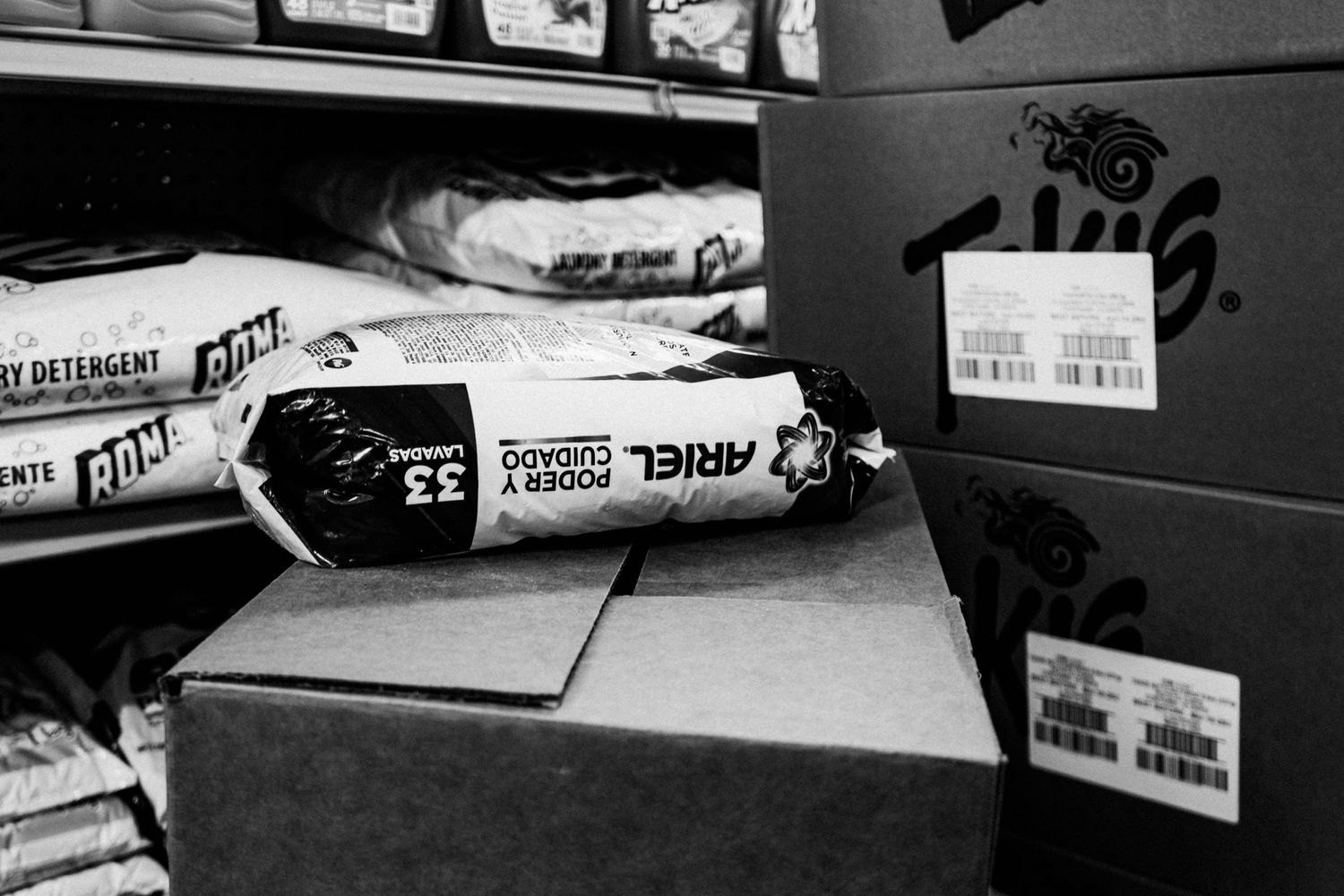
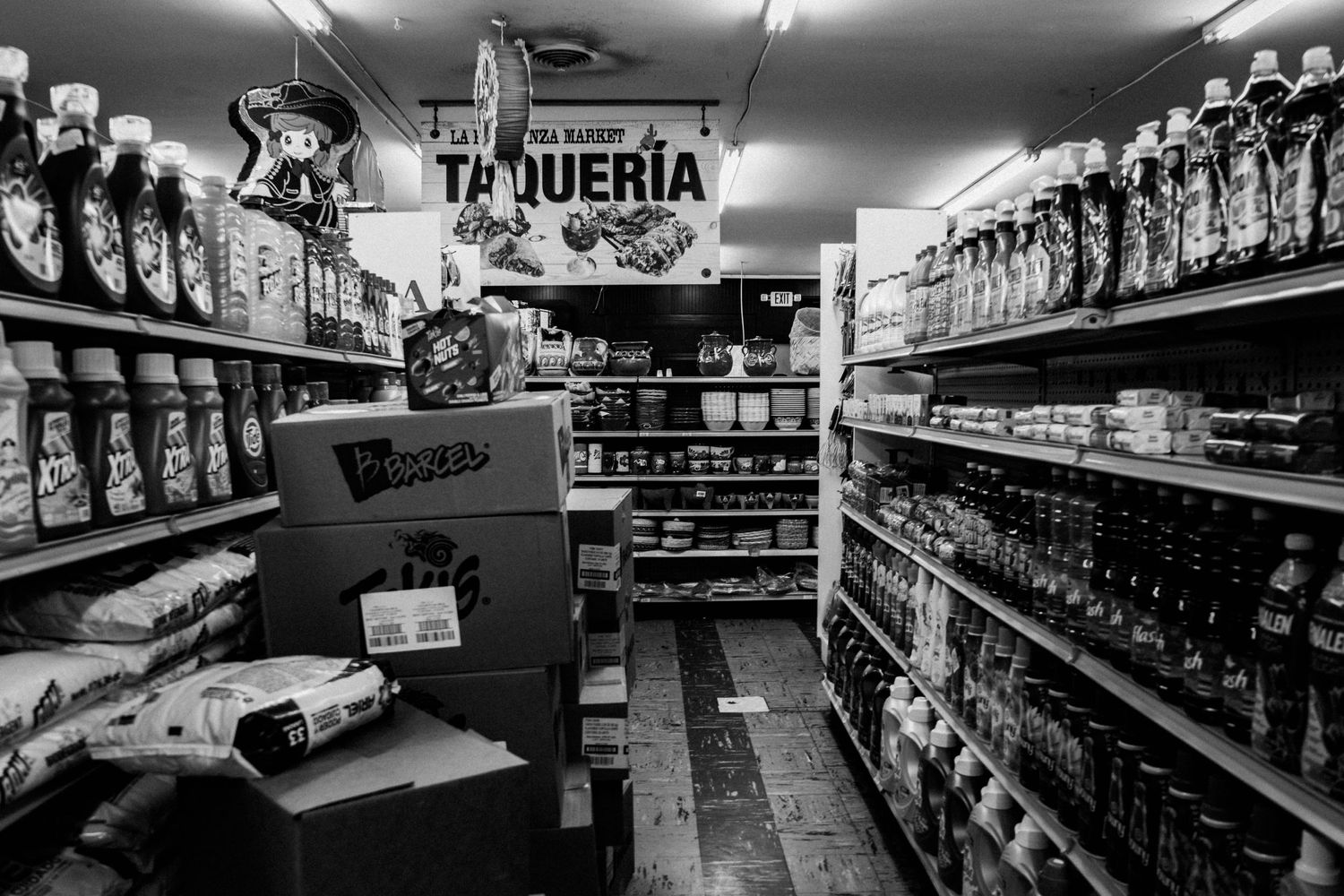
The Heart of Tradition: Exploring Mercados in Mid-Size Cities
KNOXVILLE, Tenn. – The smell of freshly made tortillas fills the air as families and friends gather around and exchange warm greetings in English and their native language. For many, mercados are more than just a place to shop—they are hubs for people all over the city, a space where culture and commerce intersect to blend heritage with economic opportunity.
As of 2022, 19.1% of the U.S. population is Hispanic, making it the nation’s largest racial minority, according to the U.S. Census Bureau. In Knoxville, 5.7% of the population identifies as Hispanic. With the growth of this community, the demand for cultural spaces, such as mercados, has surged. “They just give a lot of powerful insights into different aspects of Latin American lifestyle,” says Henry Lubke, a non-Latino mercado shopper. “They can be a safe haven for Latin Americans that are looking to engage in their culture.”
For Maria Mendez Zuñiga, a longtime mercado shopper, these spaces provide her with more than just groceries for dinner–they bridge the gap between her childhood in Mexico and her life now in the United States.
“Pues tengo 20 años asistiendo a la misma tienda y me gusta su amabilidad; todo es calidad,” shares Mendez. “Me siento como si fueran las tiendas de México. Sí me refleja México y la mayoría de mercancías son mexicanas”
(“Well, I have been going to the same store for 20 years and I like their friendliness; everything is quality. I feel like they are the stores of Mexico. It does reflect Mexico to me and the majority of merchandise is Mexican.”)
Products like tortillas, nopales, mole and fresh produce remind Mendez of the mercados she grew up with in Mexico.
Beyond groceries, the mercado fosters a sense of community and allows her to connect with others who share her language and cultural background.
“Pues encuentro un buen ambiente porque encuentro personas que son de mi mismo país y hablan del mismo idioma y puedo interactuar con ellos. He hecho amistad con las empleadas del mercado y hasta conozco a los dueños desde hace muchos años,” Mendez said.
(“Well I find a good environment because I find people who are from my same country and speak the same language and I can interact with them. I have made friends with the employees of the market and I have even known the owners for many years.”)
While Mendez treasures the cultural familiarity of the mercado, she appreciates the inclusivity.
“Asisten personas de diferentes países y diferentes culturas. Me siento feliz porque el mercado es para todos los que quieran ir,”
(“People from different countries and different cultures attend. “I feel happy because the market is for everyone who wants to go.”)
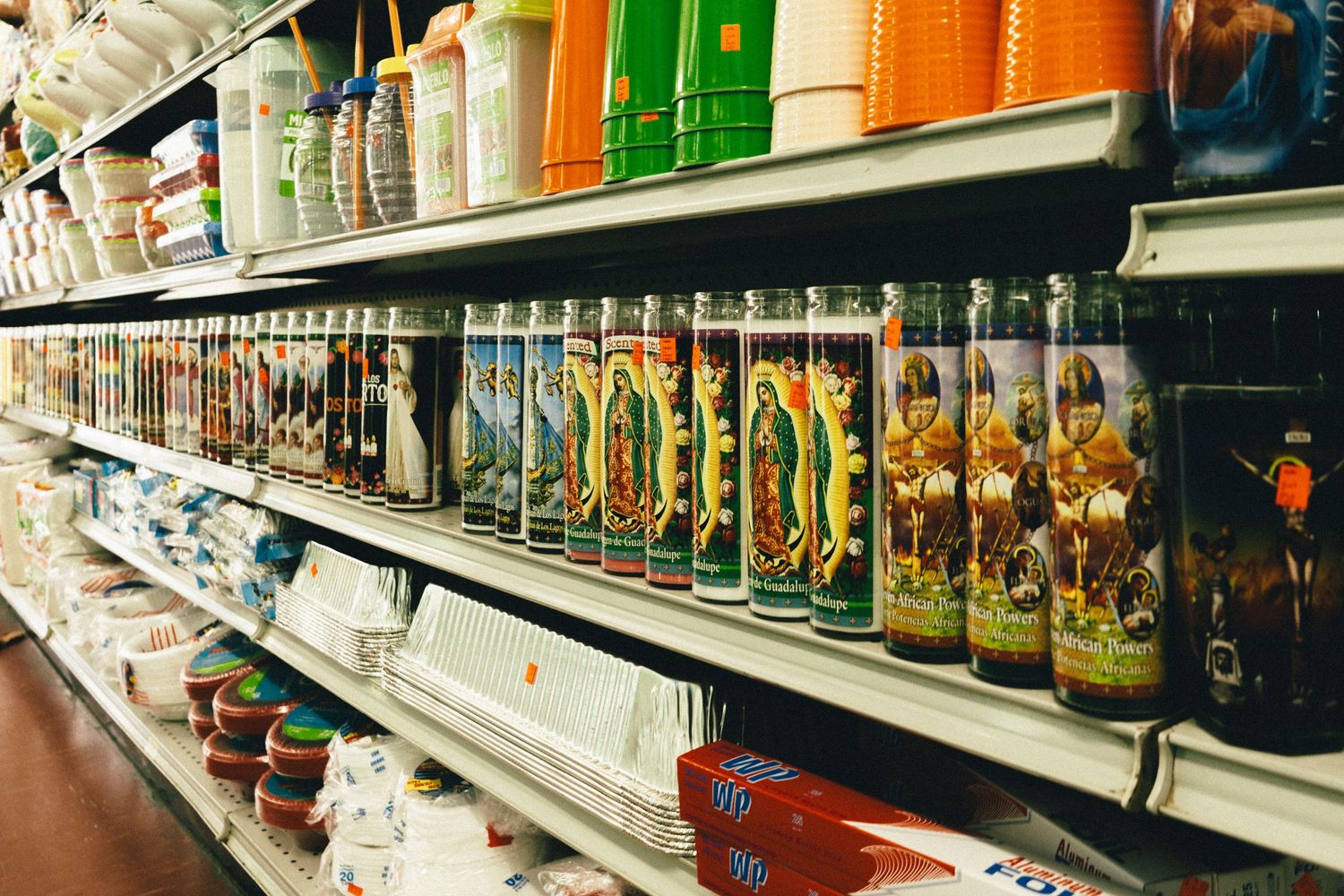
Religious Symbols on Candles
A Space for All
But, individuals belonging to the Latino community are not the mercado's only visitors. Lubke, a resident of Knoxville for their entire life, first visited a mercado in his neighborhood, La Esperanza, out of curiosity but has since become a regular. For Lubke, exploring the mercado culture has been an eye-opening journey.
Having shopped at Latino supermarkets for about six years, Lubke initially sought out Latino markets for new food experiences, admitting that before then, he "had only been exposed to American food." Over time, his trips became more frequent, especially for pastries and dried peppers—goods that, as he points out, are “made with care and consideration,” often prepared in-house or imported directly from Mexico.
Lubke describes the mercado as a unique cultural space, noting that “it's impossible to shop at a mercado without getting a sense of the tight-knit community.” He sees the mercado as a place where Latino customers can reconnect with their roots, where regulars are often greeted by first name—a stark contrast to the anonymity of larger corporate stores.
Beyond the cultural immersion, Lubke sees these spaces as essential contributors to the local economy, especially for small businesses and local entrepreneurs. “I definitely think that mercados contribute to the local economy I mean they get so much foot traffic. A lot of them are based in lower-income neighborhoods and they offer affordable prices,” says Lubke. “A community would definitely feel the loss if one of them were to just flat out close down permanently.”
Reflecting on his community, Lubke shares how mercados have reshaped his perspective of Knoxville. “When we look at Knoxville from a distance it can just seem like your very bland average southern town, but they are like definitive proof that no city is one thing, is defined by one demographic of people,” he says.
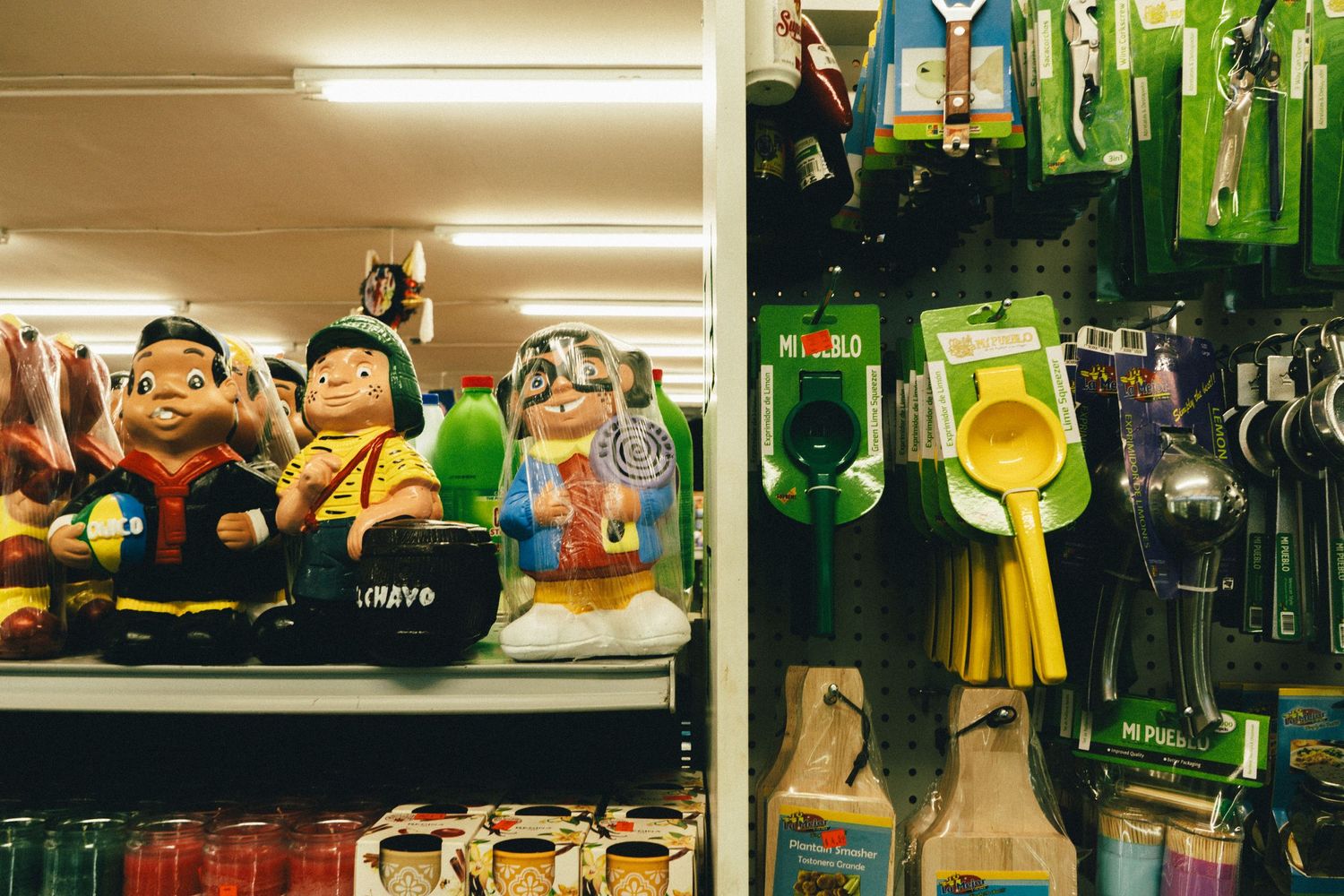
Characters from the Mexican Sitcom “El Chavo”
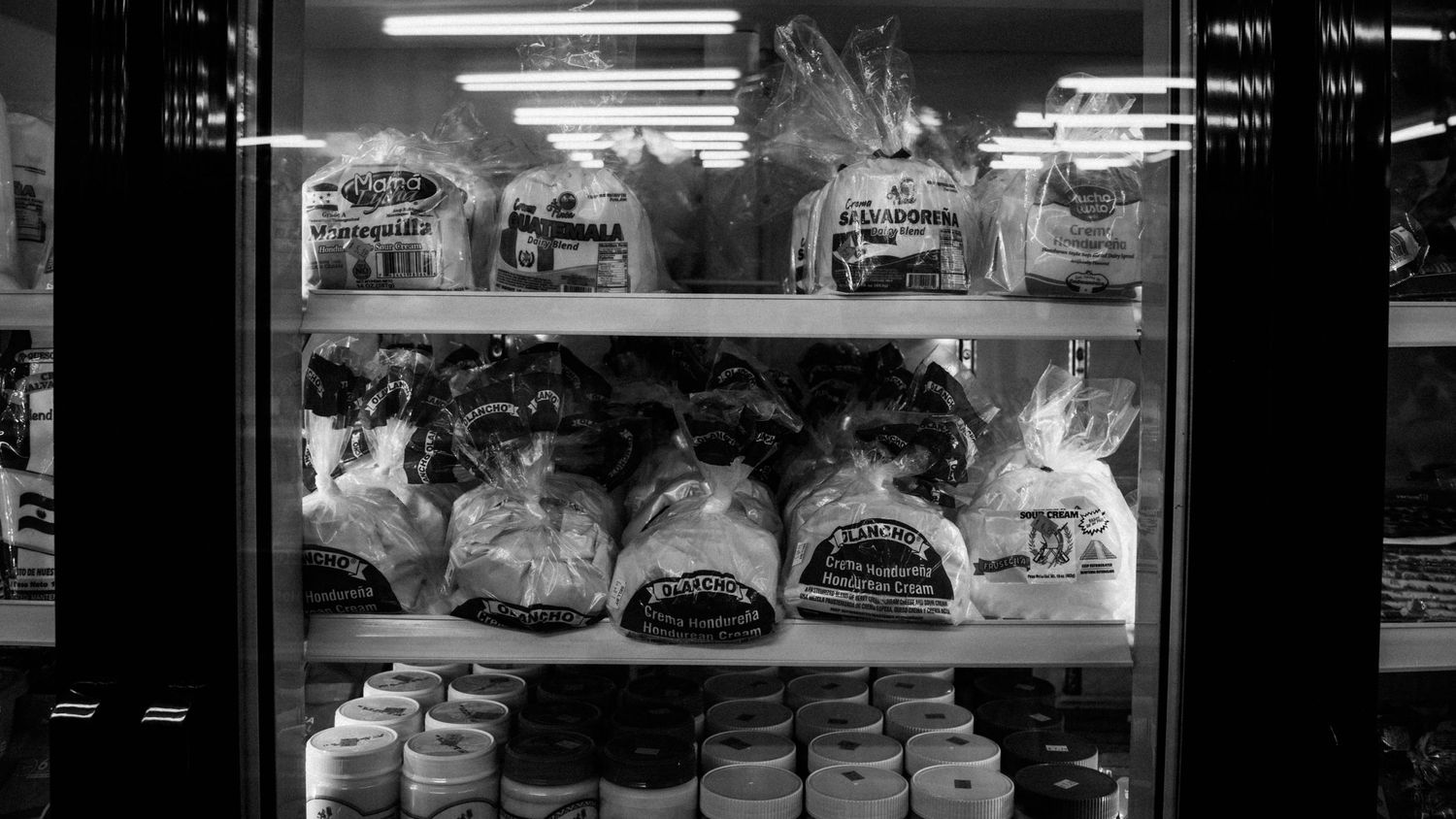
Various Forms of Sour Cream--Different Latin Countries
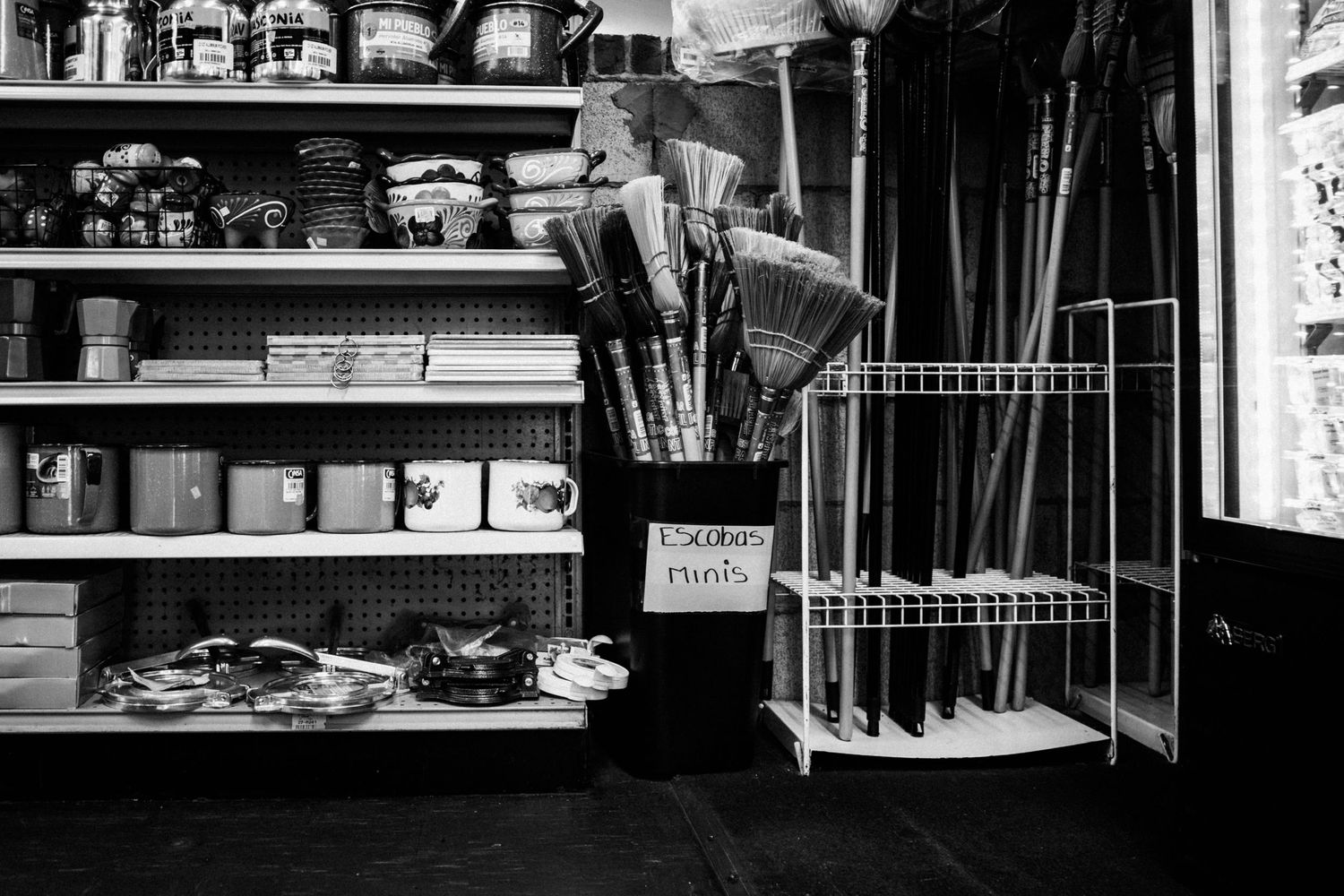
"Escobas"--also known as brooms
Cultural Preservation
For vendors, the mercado represents an essential economic opportunity, especially for Latino entrepreneurs. Latino-owned businesses have outpaced the growth rates of white-owned businesses, according to Stanford Graduate School's “State of Latino Entrepreneurship” report.
For mercado employee Eliacit Ruyeri Dias, the work is deeply personal. “Soy comerciante desde que tenía 7 años. Teníamos una tienda en México; desde entonces, me ha gustado trabajar en esto,” says Dias. (“I’ve been a merchant since I was 7 years old. We had a store in Mexico, and since then, I’ve loved working in this industry.”)
Having worked at the market for over three years, Dias notes how mercados have brought people together. “La cultura latina está presente en las diferentes tradiciones de la cultura, como la fiesta de Navidad o el Día de Muertos,” he explains. (“Latino culture is present in different traditions, like Christmas celebrations or Day of the Dead.”)
Further, Dias views these mercados as a lifeline for Latinos, both economically and for their products. “El latino viene más porque hay cosas que no vas a buscar en comerciales americanos,” Dias points out. (“Latinos come more often because there are things you won’t find in American stores.”)
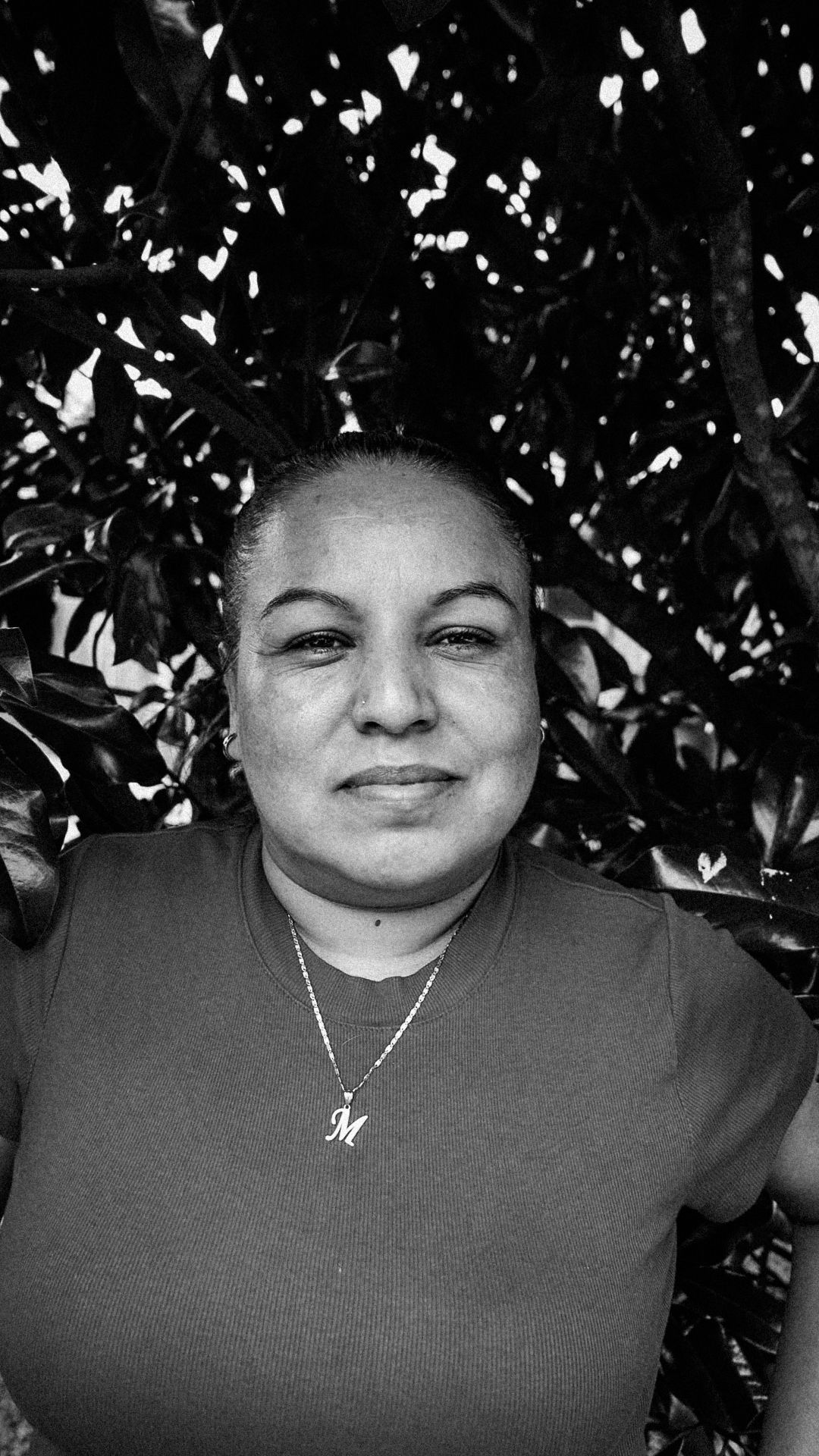
Maria Mendez Zuñiga

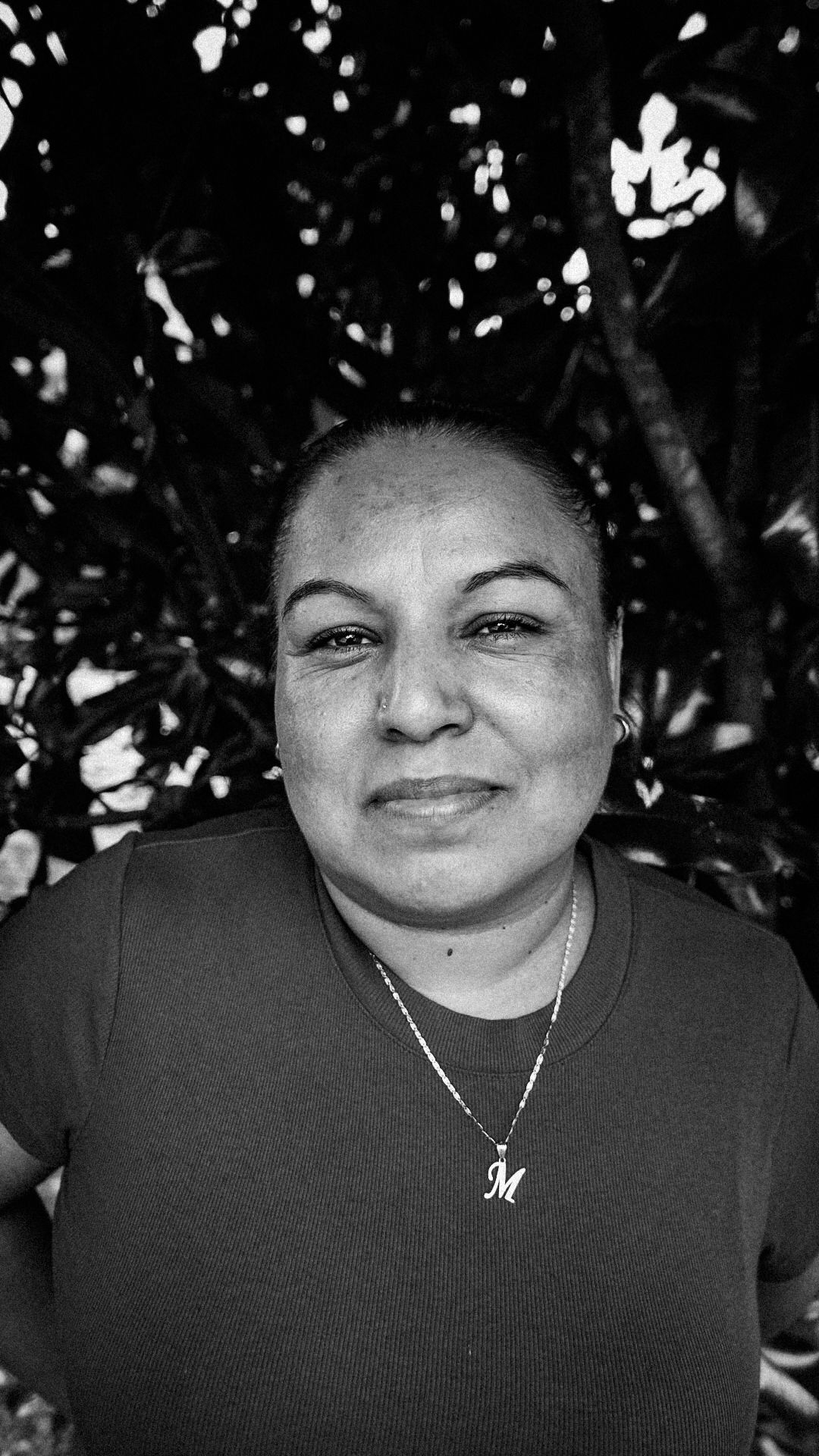
A Future of Growth
As cultural and economic pillars, mercados provide a sense of belonging while fueling local economies. “Sí, los mercados aportan demasiado a la economía local,” Mendez says. “Esto da más trabajo para la gente latina.” (“Yes, the markets contribute a lot to the local economy. This gives more work for Latino people.”)
In mid-size cities like Knoxville, mercados thrive as spaces where culture, community, and commerce intersect. Their continued growth is a testament to the resilience of Latino communities, offering both locals and newcomers a taste of Latin America and a reminder of the diversity woven into the fabric of America.